Nourish Your Body: A Guide to Holistic Nutrition
Welcome to Vitality Hub's nutrition section! Here, you'll find valuable information and resources to help you make informed food choices and achieve optimal health through balanced nutrition. We believe that food is medicine, and a well-nourished body is the foundation for a vibrant and fulfilling life.
Understanding a Balanced Diet
A balanced diet provides your body with the essential nutrients, vitamins, and minerals it needs to function correctly. It involves consuming a variety of foods from all food groups in the right proportions. This includes:
- Fruits and Vegetables: Aim for at least five portions a day. They are rich in vitamins, minerals, and fiber.
- Starchy Carbohydrates: Choose whole grains like brown rice, quinoa, and whole-wheat bread for sustained energy.
- Protein: Include lean sources of protein like poultry, fish, beans, lentils, and tofu.
- Dairy or Dairy Alternatives: Opt for low-fat dairy or fortified plant-based alternatives like almond or soy milk for calcium and vitamin D.
- Healthy Fats: Incorporate sources of healthy fats like avocados, nuts, seeds, and olive oil.
Balancing your diet also means limiting processed foods, sugary drinks, and unhealthy fats. Pay attention to portion sizes and listen to your body's hunger and fullness cues.
The Importance of Hydration
Don't forget about the importance of staying hydrated! Water is essential for virtually every bodily function, from regulating temperature to transporting nutrients. Aim to drink at least 8 glasses of water a day, and more if you're active or live in a hot climate. Herbal teas and infused water can also contribute to your daily fluid intake.
Essential Nutrients for Optimal Health
Certain nutrients are vital for maintaining good health and preventing disease. Here's a breakdown of some key essential nutrients:
- Vitamins: Vitamins are organic compounds that play numerous roles in the body. For example, Vitamin C supports the immune system, while Vitamin D is crucial for bone health.
- Minerals: Minerals are inorganic substances that are essential for various bodily functions. Calcium, iron, and potassium are just a few examples.
- Protein: Protein is essential for building and repairing tissues. It's composed of amino acids, some of which are essential (meaning the body can't produce them and they must be obtained from food).
- Fats: Healthy fats are necessary for hormone production, brain function, and nutrient absorption. Focus on unsaturated fats like those found in avocados, nuts, and olive oil.
- Carbohydrates: Carbohydrates are the body's primary source of energy. Choose complex carbohydrates like whole grains and vegetables over simple sugars.
- Fiber: Fiber promotes healthy digestion, regulates blood sugar levels, and helps you feel full.
If you suspect you might be deficient in certain nutrients, consult with a healthcare professional or registered dietitian. They can assess your individual needs and recommend appropriate dietary changes or supplements.
Healthy and Delicious Recipes
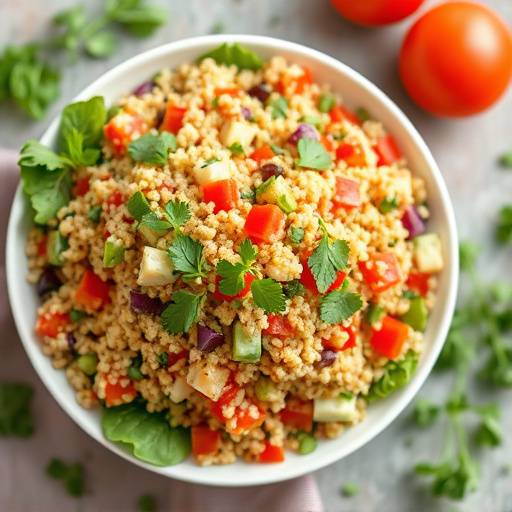
Quinoa Salad with Roasted Vegetables
This colorful and nutritious salad is packed with protein, fiber, and vitamins. It's perfect for a light lunch or a side dish.
Ingredients: Quinoa, broccoli, bell peppers, zucchini, red onion, olive oil, lemon juice, herbs, salt, pepper.
Instructions: Roast vegetables, cook quinoa, combine ingredients, and dress with lemon juice and herbs.
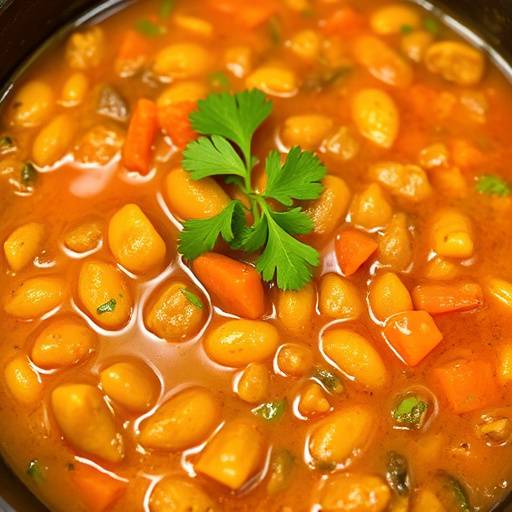
Hearty Lentil Soup
A comforting and protein-rich soup that's perfect for a chilly day. Lentils are a great source of plant-based protein and fiber.
Ingredients: Lentils, carrots, celery, onion, vegetable broth, diced tomatoes, garlic, herbs, salt, pepper.
Instructions: Sauté vegetables, add lentils and broth, simmer until lentils are tender, and season to taste.

Avocado Toast with Everything Bagel Seasoning
A simple yet satisfying breakfast or snack. Avocado provides healthy fats and fiber, while whole-wheat toast offers sustained energy.
Ingredients: Whole-wheat bread, avocado, everything bagel seasoning, red pepper flakes (optional).
Instructions: Toast bread, mash avocado on top, and sprinkle with everything bagel seasoning and red pepper flakes.

Grilled Salmon with Asparagus
A delicious and healthy dinner option that's rich in omega-3 fatty acids and protein. Asparagus is a great source of vitamins and minerals.
Ingredients: Salmon fillets, asparagus spears, olive oil, lemon, garlic, salt, pepper.
Instructions: Grill salmon and asparagus with olive oil, garlic, lemon juice, salt, and pepper.
Nutritional Information Table
The following table provides an overview of key nutrients and their recommended daily intake. Please note that these are general guidelines, and individual needs may vary based on factors such as age, sex, activity level, and overall health.
| Nutrient | Recommended Daily Intake (Adults) | Food Sources |
|---|---|---|
| Vitamin A | 900 mcg (men), 700 mcg (women) | Carrots, sweet potatoes, spinach, kale |
| Vitamin C | 90 mg (men), 75 mg (women) | Citrus fruits, berries, bell peppers, broccoli |
| Vitamin D | 15 mcg (600 IU) | Fortified milk, fatty fish (salmon, tuna), egg yolks |
| Vitamin E | 15 mg | Nuts, seeds, vegetable oils, spinach |
| Calcium | 1000 mg | Dairy products, leafy green vegetables, fortified plant-based milks |
| Iron | 8 mg (men), 18 mg (women) | Red meat, beans, lentils, spinach |
| Potassium | 3400 mg (men), 2600 mg (women) | Bananas, potatoes, spinach, beans |
| Fiber | 38 g (men), 25 g (women) | Whole grains, fruits, vegetables, legumes |
| Protein | 0.8 g per kg of body weight | Meat, poultry, fish, eggs, dairy, beans, lentils, nuts, seeds |
Disclaimer: This table is for informational purposes only and should not be considered medical advice. Consult with a healthcare professional or registered dietitian for personalized nutritional recommendations.
Mindful Eating Practices
Mindful eating involves paying attention to your food and the eating experience. It can help you develop a healthier relationship with food and improve your digestion.
- Eat slowly and savor each bite.
- Pay attention to your body's hunger and fullness cues.
- Minimize distractions while eating (e.g., TV, phone).
- Engage all your senses – notice the colors, smells, textures, and flavors of your food.
- Be grateful for your food.
Practicing mindful eating can help you break free from unhealthy eating patterns and develop a more intuitive approach to nutrition.